Dehumidification
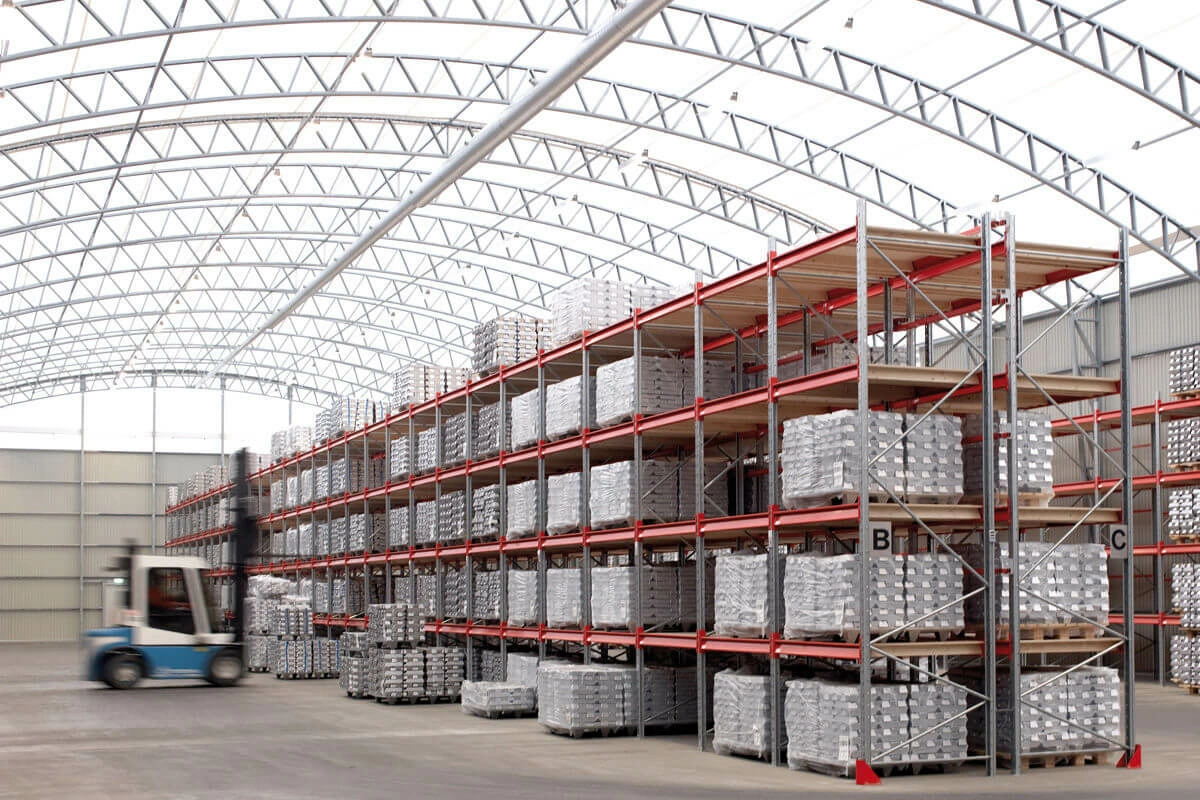
With a dehumidifier connected to PMH Lagarhallar, you get a controlled environment and ideal conditions for storing goods that are sensitive to corrosion and moisture.
- Low operating costs (no heating)
- Guaranteed delivery quality
- The right conditions for production



Effective dehumidification – the key to a sustainable and energy-efficient warehouse climate
Normally, humidity is between 70 and 85%. Relative humidity depends on the water content and temperature of the air. By removing water from the air, you lower the relative humidity, which is our dehumidification principle. Dehumidification is energy efficient because it works with the air that has been dehumidified. Once the moisture content has been reduced, it is only when moisture loads are added that the energy consumption is affected. It is therefore important to maintain discipline with regard to doors, i.e. to ensure that they are kept closed. You also need to consider the addition of other materials with high moisture content. For example, a damp pallet can contain a lot of moisture that raises the moisture content in the hall.
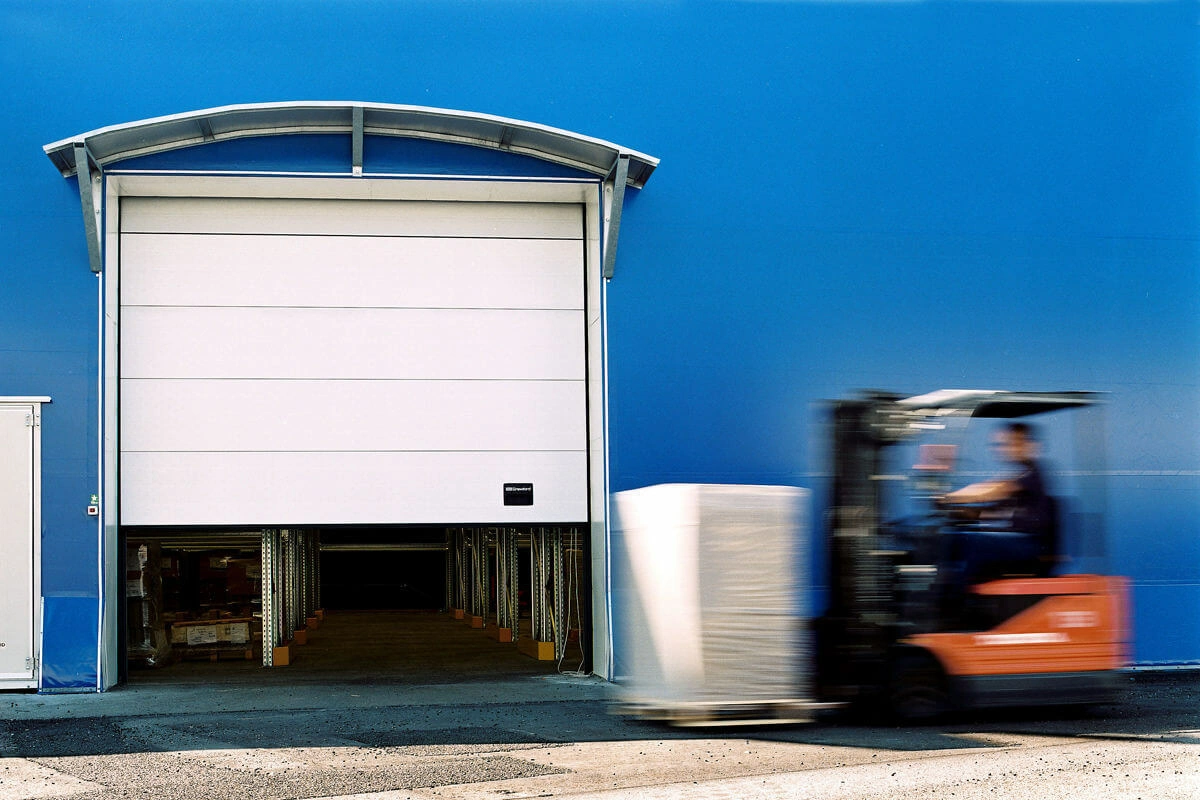
We recommend choosing motorized doors in a dehumidified hall to reduce the time the door is kept open. The type of dehumidifier we use in PMH Torrluftlager is an adsorption dehumidifier, which works even at low temperatures, unlike a condensation dehumidifier. This type of dehumidifier does not release moisture as free condensation water, but binds the moisture extracted in cold air that rotates in the dehumidifier and is blown out into the fresh air. The dehumidified air returns to the hall.
Dehumidification prevents:
- Iron and sheet metal rust
- Paper packaging softens and collapses
- Electronics and electrical components oxidize
- Textiles, wood, leather, and grain become moldy
- Bulk goods such as cement and artificial fertilizer stick together
- Paper and wood products absorb moisture.
Downloads
Below you can download product sheets, step files, manuals, and other important files related to the product.

.jpg)